When planning a business website, the first question is often:
“How should it look?”
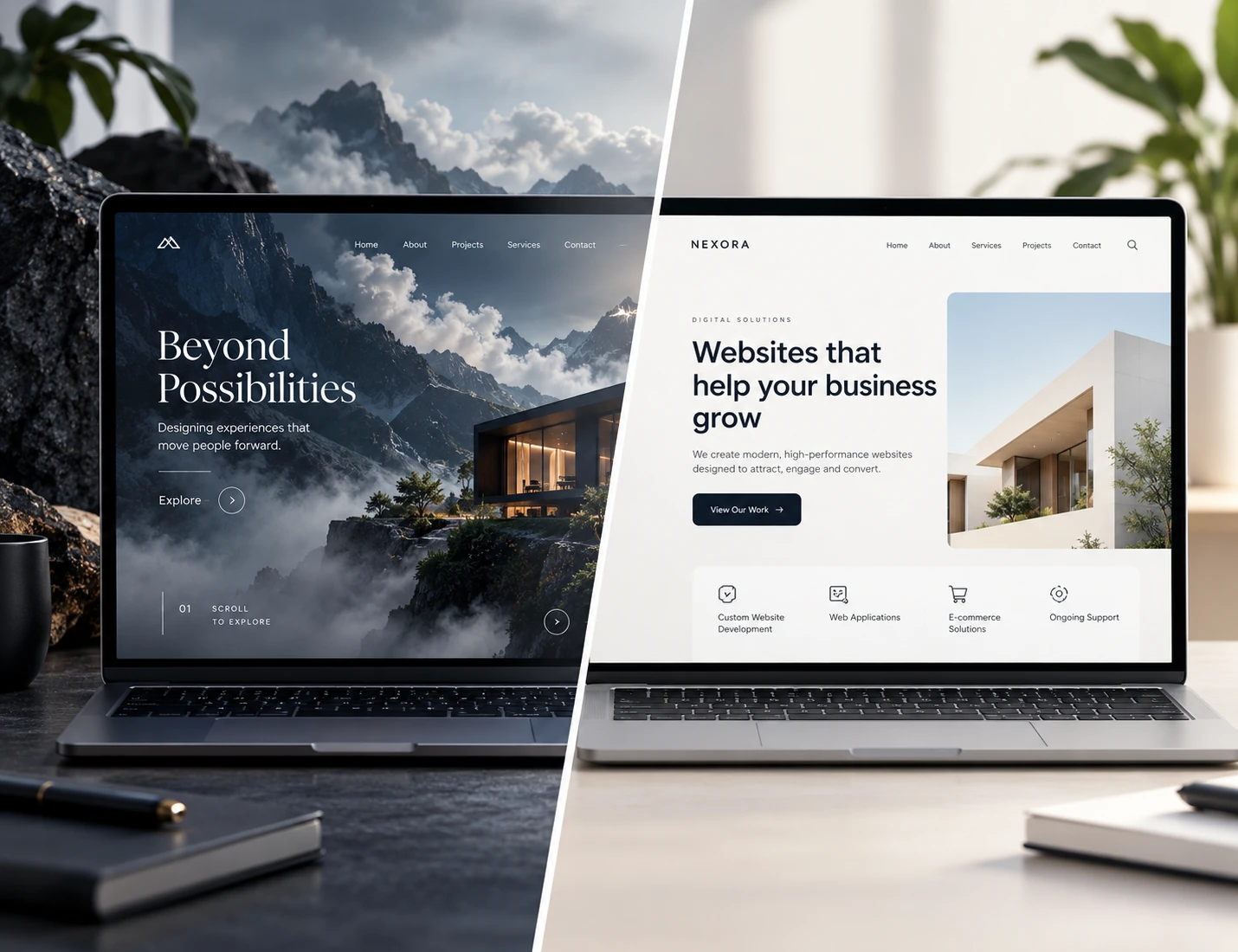
Design is important. It creates the first impression and influences how people perceive your business.
But a successful website needs more than good design.
Every page should have a purpose.
Some pages build trust.
Some explain your services.
Some showcase your work.
And some help turn visitors into customers.
Let’s look at the pages and features most businesses should consider.
1. Home Page — Create the First Impression
Your Home page should quickly answer:
Who are you? What do you offer? Why should someone choose you?
It can include your main services, key benefits, testimonials, projects and clear calls-to-action.
How it helps
Visitors understand your business quickly and know where to go next.
2. About Us — Build Trust
People want to know who they are dealing with.
Your About page can introduce your company, story, team, experience and values.
How it helps
It makes your business more transparent and helps potential customers feel more confident about contacting you.
3. Services — Explain What You Offer
Don’t simply list your services.
Explain what you provide, who it is for and what problem it solves.
Important services can also have their own dedicated pages.
How it helps
Visitors can quickly identify whether your business can solve their particular problem.
4. Products — Make Products Easy to Explore
For product-based businesses, your website should make it easy to discover and compare products.
Useful features can include:
- Categories
- Search
- Filters
- Product variations
- Pricing
- Product images
- Reviews
How it helps
Customers can find what they need faster and move more easily towards a purchase.
5. Portfolio & Case Studies — Show Your Work
For service businesses, saying you’re experienced isn’t always enough.
Show previous projects and explain the problem, solution and outcome.
How it helps
Potential customers can see what you are capable of before starting a conversation.
6. Testimonials — Let Customers Speak
Your business can say you’re reliable.
But hearing it from your customers is different.
Add genuine reviews, testimonials or video feedback where appropriate.
How it helps
Social proof can reduce hesitation and build confidence.
7. Blog / Resources — Answer Customer Questions
A useful blog isn’t just for company announcements.
Write about the questions your customers are already asking.
For example:
- Guides
- Industry insights
- Product education
- Common problems
- Comparisons
- How-to content
How it helps
Useful content can attract people searching for solutions and demonstrate your expertise.
8. Contact — Make Enquiries Easy
Don’t make potential customers search for your contact details.
Depending on your business, this could include:
- Contact form
- Phone
- Location
- Business hours
- Appointment booking
How it helps
When someone is ready to contact you, the next step is simple.
Features That Can Make a Website More Useful
Pages provide information.
Features can make the website actually do something.
Depending on the business, you might need:
WhatsApp & Enquiry Forms
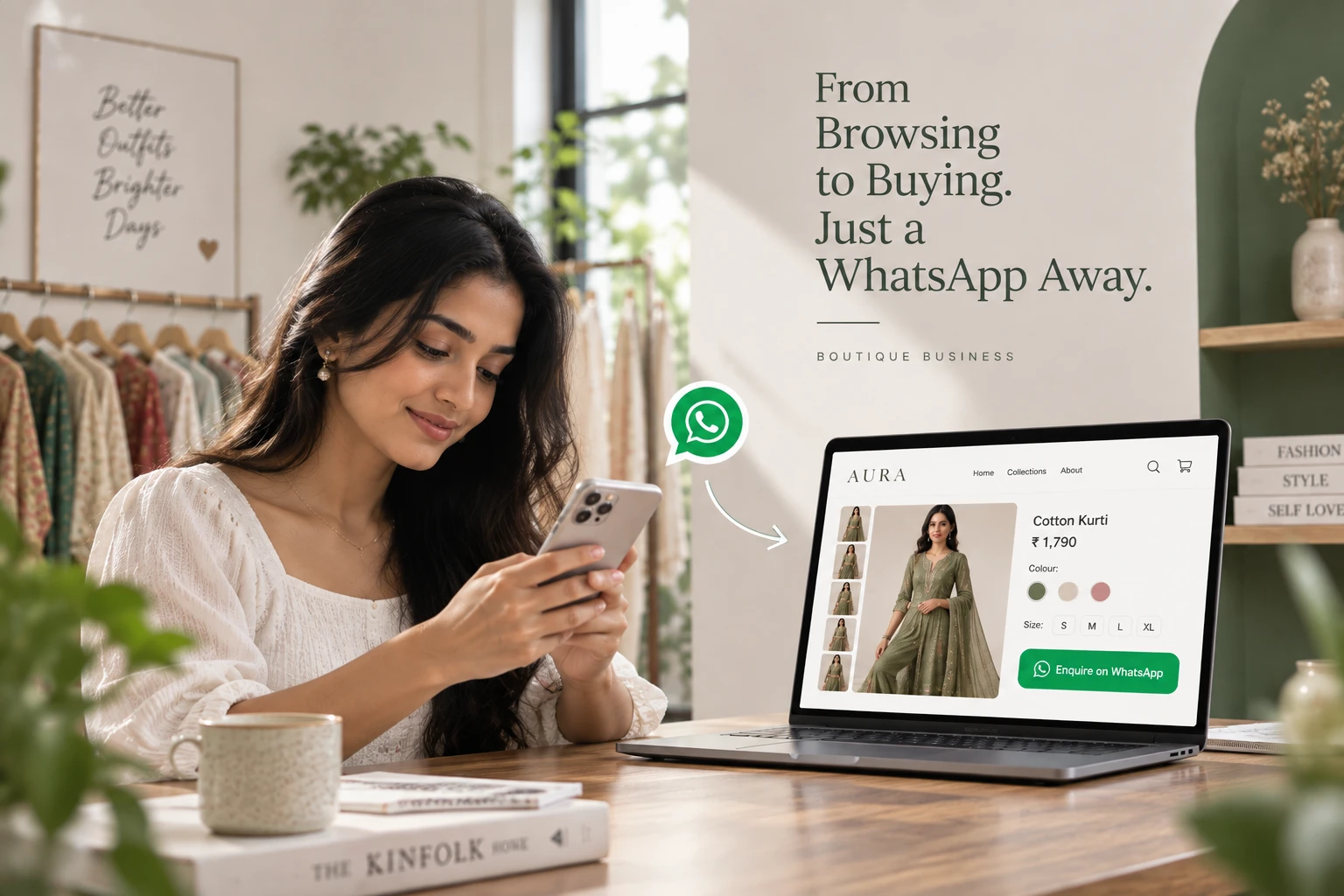
Make it easier for visitors to start a conversation.
Online Booking
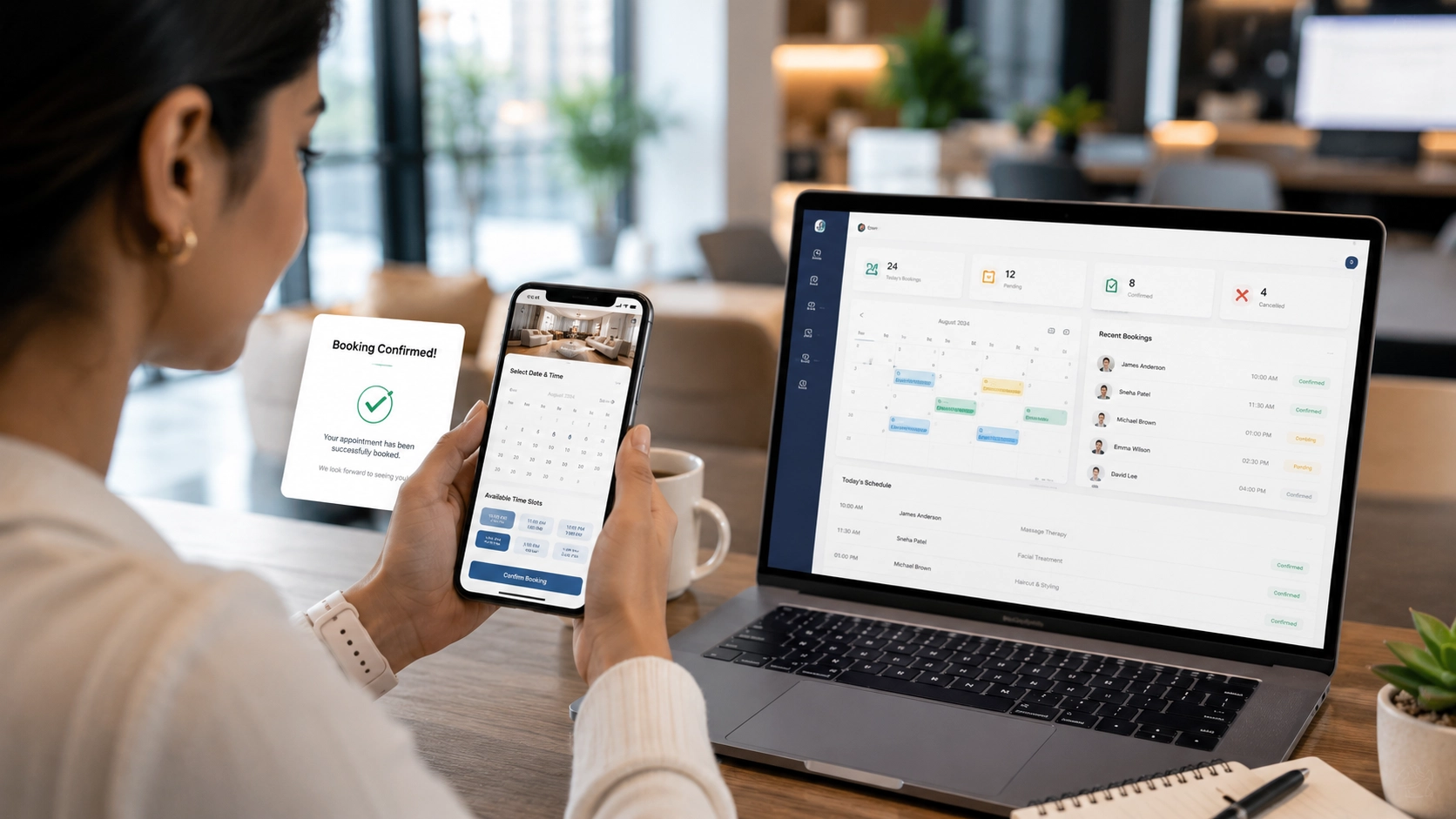
Allow customers to choose services, dates and available times.
Online Payments
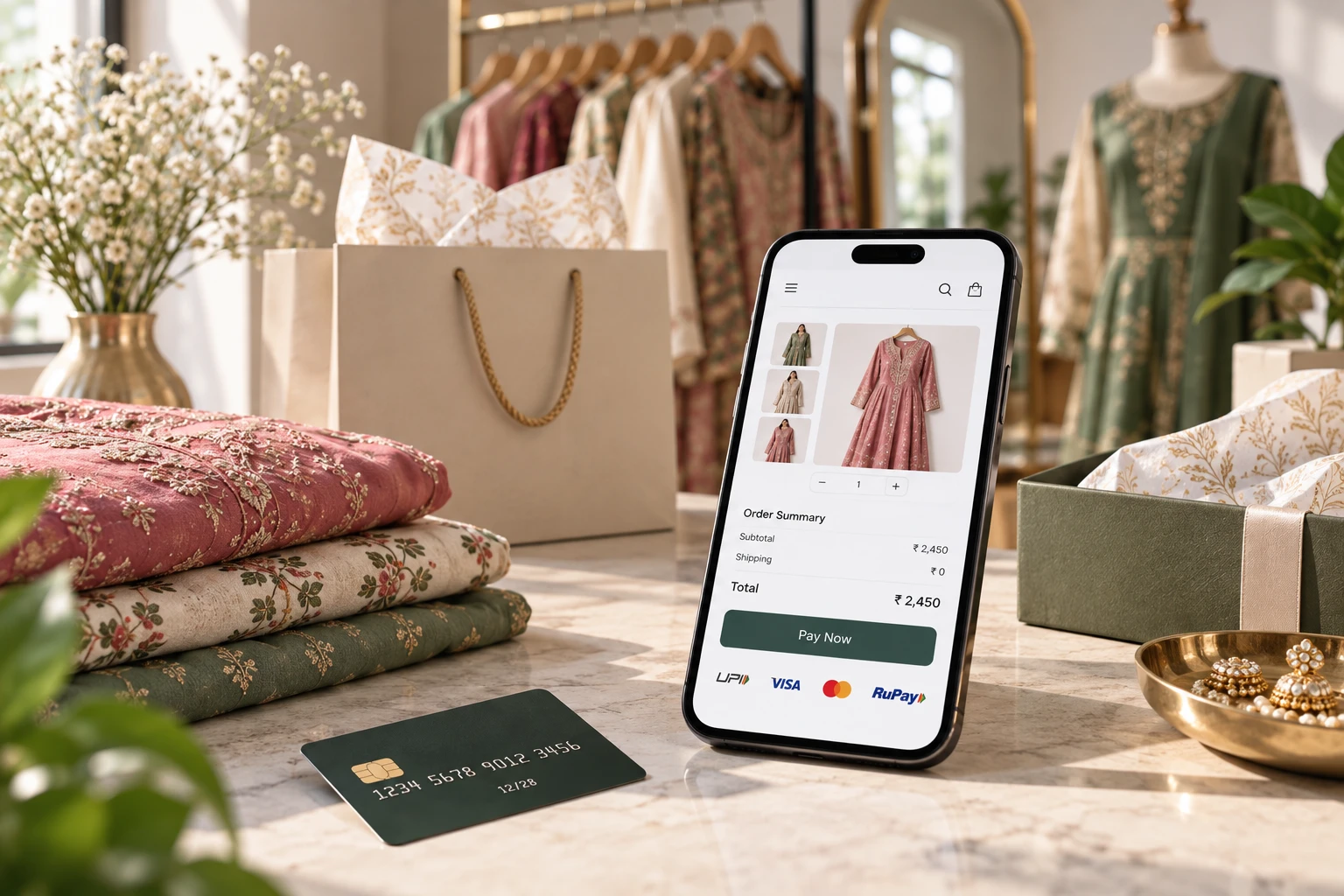
Let customers complete purchases or payments directly.
Search & Filters
Useful for large product catalogues, directories and listings.
CRM Integration
Automatically send and organize website enquiries in your sales system.
Custom Integrations
Connect the website with other business software, APIs or internal systems.
Customer Portals
Give customers access to their own information, orders, documents or services.
Not Every Business Needs the Same Website
A small service business may only need:
Home → About → Services → Projects → Testimonials → Contact
An eCommerce business may need:
Home → Shop → Categories → Products → Cart → Checkout
A growing company may need something much more advanced.
The important thing isn’t having more pages.
It’s having the right pages and features for the business.
Design + Structure + Performance
A good business website needs all three.
Design creates the first impression.
Structure guides visitors.
Content explains the value.
Performance keeps the experience smooth.
Features make the website useful.
And the right calls-to-action help turn interest into action.
At Envinto, we don’t believe every business should receive the same website.
We first understand the business, its customers and its requirements.
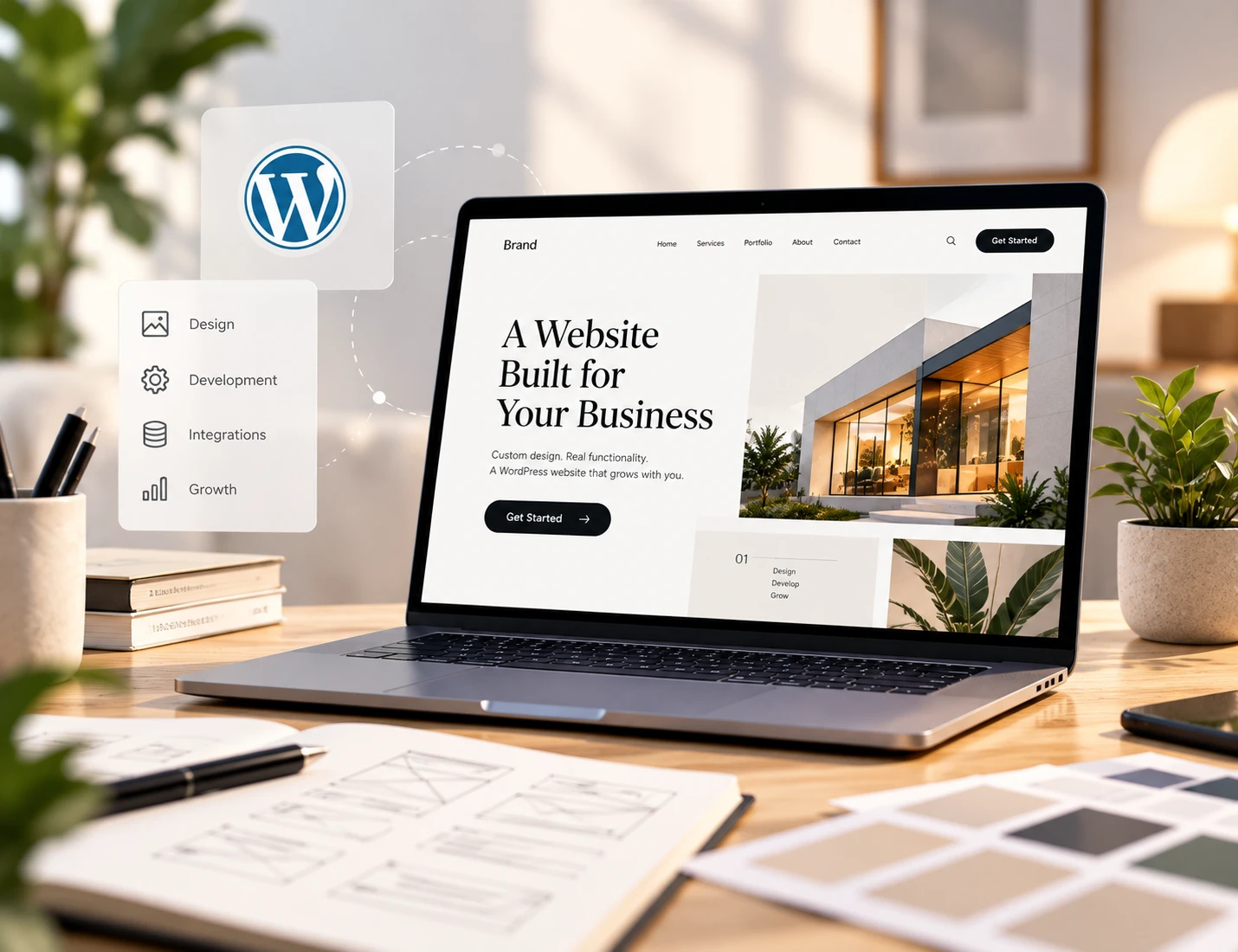
Then we choose the right technology and build around those requirements — whether that’s a content-focused website, an eCommerce platform, a custom web application or a more complex business system.
Because the goal isn’t simply to have a website.
The goal is to build something that helps the business move forward.